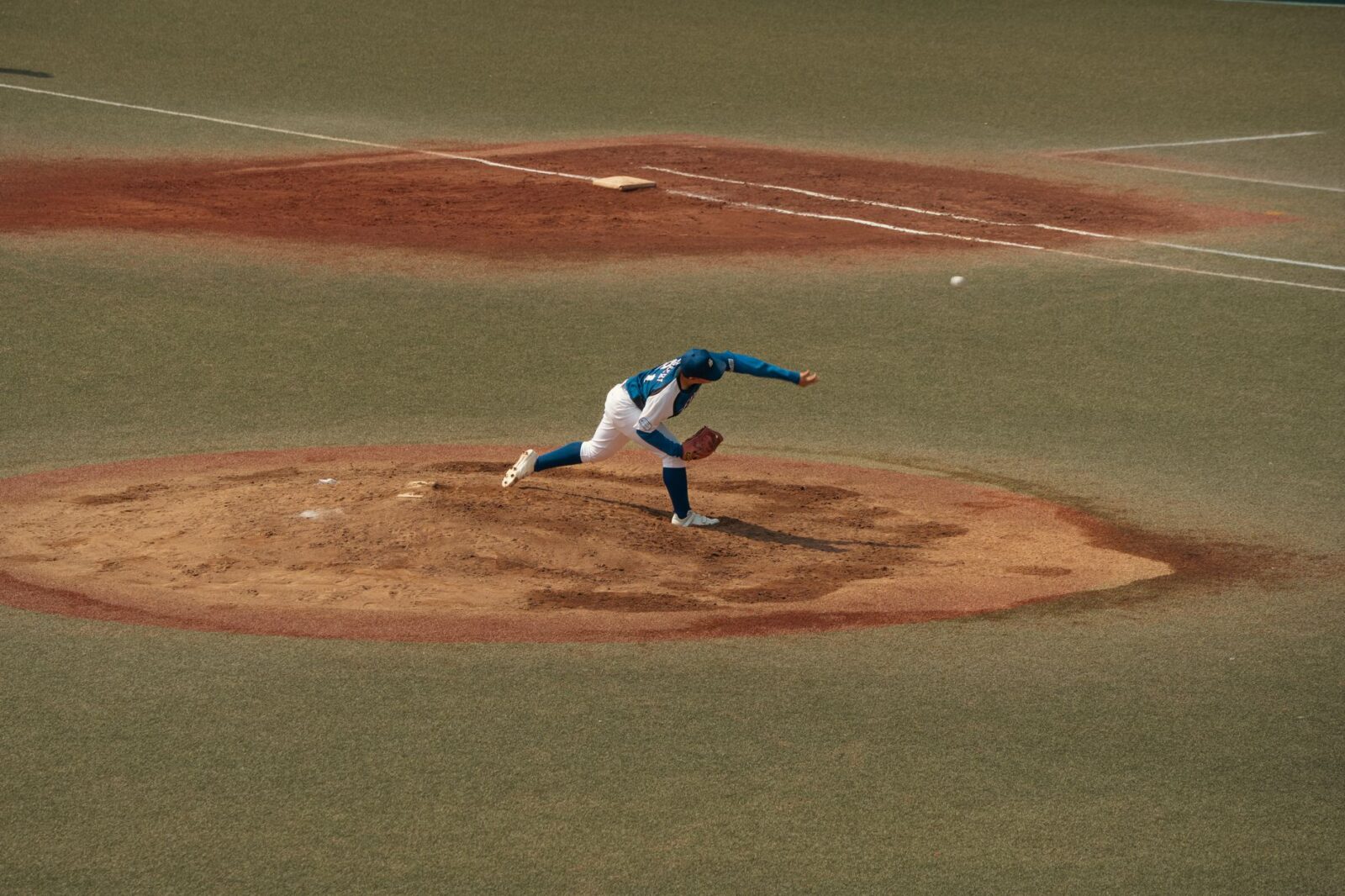
Professional baseball demands extraordinary mental resilience alongside physical skill. MLB success requires navigating failure, pressure, and adversity that would overwhelm less prepared athletes. The psychological demands of professional baseball extend far beyond statistics and technique. Players face constant evaluation, public scrutiny, and multi-game sequences determining playoff eligibility. Mental toughness separates championship contenders from perpetually struggling franchises. Understanding baseball psychology reveals how elite athletes maintain composure, execute under pressure, and overcome devastating setbacks. The greatest players develop psychological frameworks allowing consistent performance across varied circumstances and emotional states.
Mastering Pressure Performance and Competition Mindset
Pressure situations in baseball reveal character and psychological fortitude. Batters facing elite relief pitchers with bases loaded in late innings experience extreme pressure where performance directly impacts team outcomes. Pitchers throwing complete games late in seasons when fatigued test mental endurance. MLB athletes develop visualization techniques imagining successful outcomes repeatedly before competition. Breathing exercises regulate nervous system responses, preventing adrenaline from overwhelming decision-making. Pre-competition routines establish psychological consistency providing comfort and confidence. Champions develop compartmentalization skills isolating baseball performance from external distractions. Media criticism, fan expectations, and contract negotiations create psychological noise elite performers minimize. Mental preparation occupies equal time with physical training for championship-caliber teams. Sports psychologists work exclusively with professional organizations optimizing mental performance training alongside physical conditioning.
Overcoming Failure and Resilience Development

Baseball uniquely emphasizes failure as integral to success. Batters achieving three hits per ten at-bats succeed at the highest level despite failing seven times. Pitchers throwing losing seasons contribute substantially to competitive teams. Resilience development requires reframing failure as information rather than indictment of capability. Players analyze disappointing performances objectively, identifying correctable mechanics or strategic adjustments. Dwelling excessively on failure undermines subsequent performance through confidence erosion. Elite athletes develop emotional regulation preventing momentary disappointment from cascading into catastrophic performance spirals. Recovery psychology helps athletes move forward following devastating losses, injuries, or career setbacks. Teams incorporate failure analysis sessions where coaches present objective performance data without emotional judgment. Veterans mentor younger players demonstrating how successful careers include numerous failures and subsequent comeback achievements.
Focus and Attention Management During Competition
Concentration lapses during long baseball seasons cost teams critical games. Batters facing pitchers with diverse arsenals require sustained focus analyzing pitch location, velocity, and spin characteristics. Pitchers maintain focus across nine innings, multiple innings per week, and 162-game seasons. Attention control techniques prevent distraction from crowd noise, scoreboard updates, and previous plays. Players develop selective attention filtering relevant information while ignoring irrelevant stimuli. Meditation practices build baseline concentration, strengthening ability to redirect focus after distractions. Heart rate variability training improves nervous system regulation enabling clearer thinking during stressful moments. In-game routines such as specific pitch counts or warm-up sequences restore focus after errors or poor performance. Championship teams execute better during crucial moments reflecting superior attention management and mental preparation.
Leadership Dynamics and Team Psychology
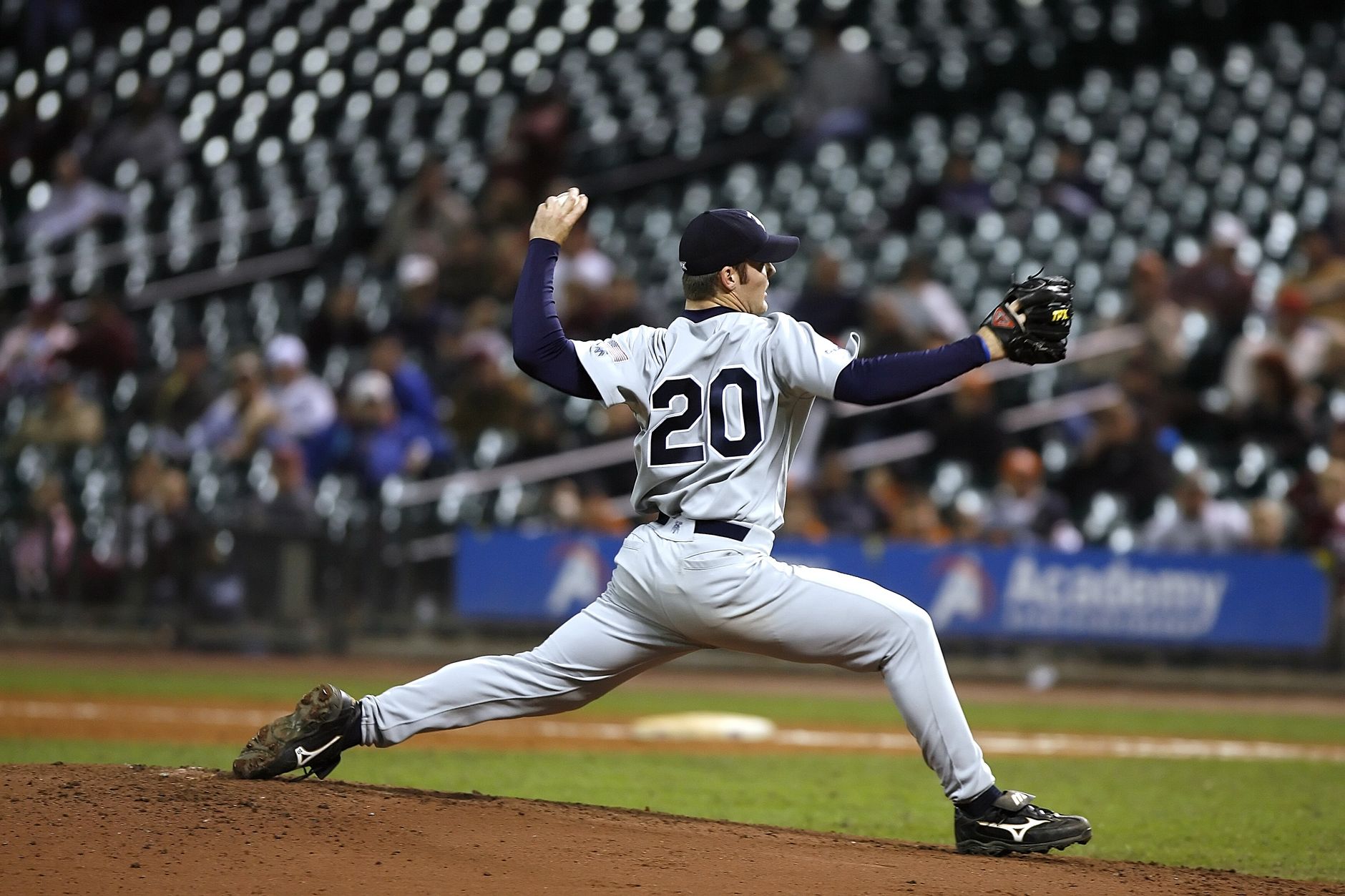
Team chemistry significantly impacts performance beyond individual talent assessment. Clubhouse culture established by veteran leaders influences younger players’ professionalism and dedication. Captains and veteran leaders model psychological resilience through difficult stretches, effectively communicating that temporary struggles don’t define overall capability. Leadership extends beyond motivational speeches, requiring consistent demonstration of composure and commitment. High-performing teams develop psychological safety where athletes accept critical feedback without defensiveness. Managers carefully balance pressure and support, pushing athletes toward greater achievement while maintaining confidence. Losing streaks test team psychology most severely, with leadership preventing downward spirals through perspective and strategic adjustments. Championship teams demonstrate improved communication during adversity rather than withdrawing into isolation.
Post-Career Transition and Identity Psychology
Professional baseball careers conclude, often unexpectedly, requiring significant psychological adjustment. Athletes who invested primary identity in baseball performance face existential challenges losing their central life role. Retirement brings loss of daily structure, professional purpose, and intense achievement pursuits. Successful transitions involve developing alternative identities and pursuits beyond baseball. Organizations increasingly provide psychological support helping athletes navigate career conclusions and life planning. Former players experiencing depression, substance abuse, or relationship difficulties often trace roots to inadequate retirement preparation. Mental health resources normalize seeking professional support managing major life transitions. Building business, community, or family-focused pursuits during playing careers eases post-baseball adjustments. Comprehensive player development programs address holistic well-being, recognizing that mental health directly impacts on-field performance and long-term life satisfaction.
Building Psychological Infrastructure for Peak Performance
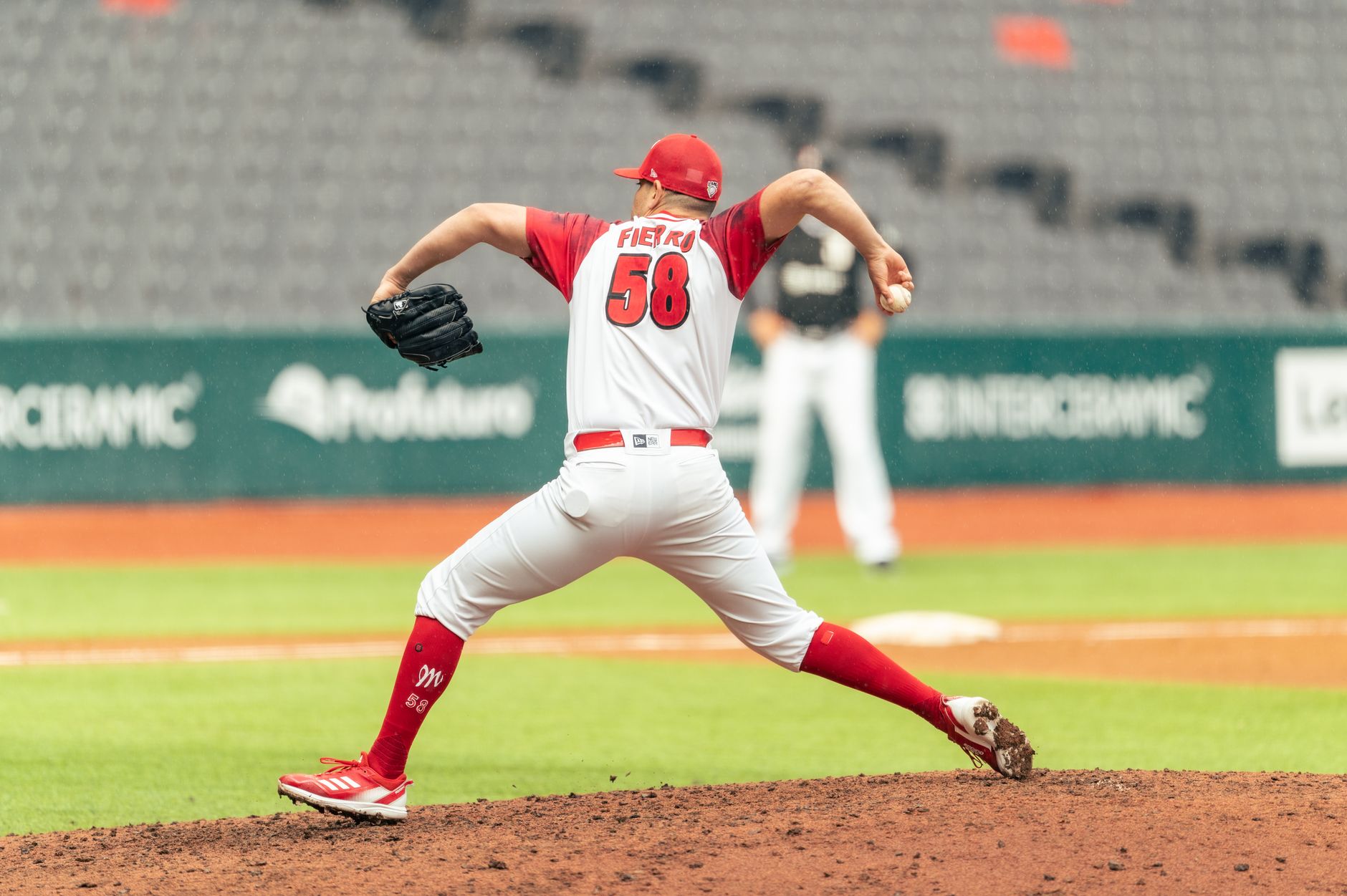
Elite MLB organizations invest substantially in psychological support systems. Sports psychologists integrated into coaching staffs provide individualized consultation addressing unique mental challenges. Team meditation and breathing classes develop universal skills applicable across diverse athlete personalities. Nutritional counseling recognizes connections between physical health and mental clarity, with hydration and sleep optimization improving cognitive function. Sports science departments analyze video meticulously, allowing coaches to provide constructive feedback divorced from emotional judgment. Technology applications track sleep quality, resting heart rate, and workout load, providing objective data informing recovery protocols. Championship organizations view mental training as foundational to athletic development, not supplementary luxury.
- Develop visualization routines preparing mentally for high-pressure situations.
- Reframe failure as feedback rather than personal inadequacy.
- Practice attention control techniques maintaining focus across long seasons.
- Foster team chemistry prioritizing communication and psychological safety.
- Prepare psychologically for career transitions beyond baseball.
Mental toughness separates elite MLB athletes from those falling short of potential. Understanding baseball psychology provides insight into how competitors overcome adversity, maintain focus, and execute during pressure situations. Developing these psychological skills throughout baseball careers prepares athletes for the sport’s unique demands and builds resilience benefiting entire life trajectories.