
Healthline is designed to help people understand health and medical topics without confusion or unnecessary complexity. It focuses on translating clinical knowledge, research findings, and medical guidance into information that is practical and readable. The platform exists to bridge the gap between scientific data and everyday health questions, giving readers a clearer starting point for understanding symptoms, conditions, treatments, and wellness choices.
Rather than offering opinion-based advice, the content is built around medically reviewed information intended to support informed decision-making. The emphasis is on accuracy, clarity, and usefulness, particularly for people navigating health concerns on their own before speaking with a healthcare professional.
TL;DR

Healthline provides medically reviewed health information across conditions, symptoms, treatments, and wellness topics, helping readers understand medical concepts clearly and apply them to real-life health decisions.
How Medical Information Is Structured and Reviewed
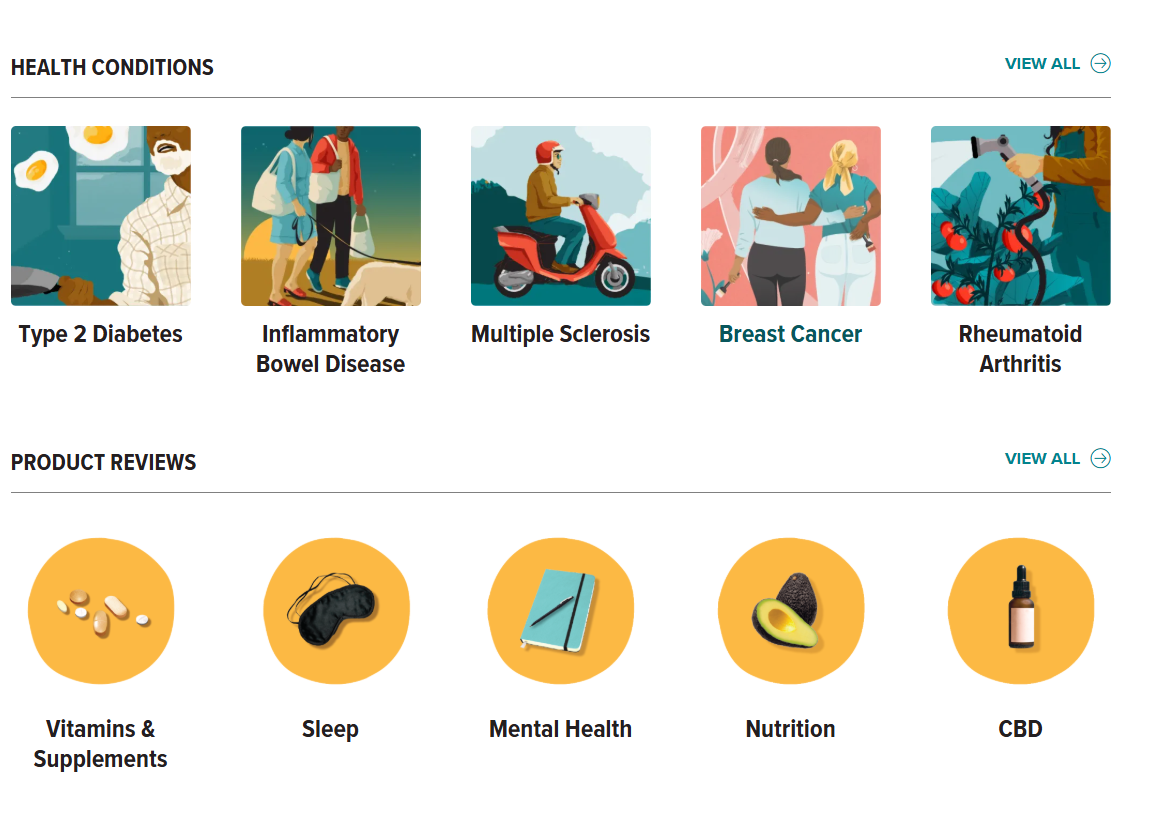
Healthline operates with an editorial process that prioritises medical accuracy and transparency. Articles are written by experienced health writers and reviewed by qualified medical professionals to ensure alignment with established clinical knowledge. This review process helps reduce misinformation and ensures that health guidance reflects accepted medical standards rather than speculation or trend-based advice.
Content is structured to answer the most common and relevant questions first. Readers are guided through definitions, causes, symptoms, and treatment considerations in a logical order. Medical terminology is explained rather than assumed, making information accessible to people without clinical backgrounds. This structure helps readers quickly find what they need while still providing depth for those who want a fuller understanding.
Sources are grounded in peer-reviewed research, clinical guidelines, and expert consensus. Rather than overwhelming readers with raw data, research findings are interpreted in context so their relevance is clear. This approach helps prevent misinterpretation while still maintaining scientific integrity.
Supporting Practical Health Decisions

- Content is medically reviewed to support accuracy and credibility.
- Topics cover symptoms, conditions, treatments, medications, and preventive care.
- Information is written to support understanding before speaking with a clinician.
- Wellness guidance connects research with realistic lifestyle choices.
- Articles are structured to prioritise clarity and relevance over volume.
Health information is most valuable when it helps people make sense of their own experiences. The platform addresses this by focusing on practical application rather than abstract theory. Symptom guides help readers understand possible causes and recognize when medical attention may be needed. Condition overviews explain how illnesses are diagnosed, managed, and treated without promoting self-diagnosis.
Treatment information outlines available options and considerations rather than presenting single solutions. This allows readers to approach healthcare conversations with better context and more specific questions. The goal is not to replace medical care, but to support more informed participation in it.
Medication content explains how drugs work, potential side effects, and general usage considerations. This helps readers better understand prescriptions they may already be taking or discussing with their healthcare provider. Clear explanations reduce anxiety and confusion around unfamiliar medical terms.
Beyond Conditions, A Broader View of Health

Healthline does not limit its scope to illness alone. A significant portion of the content focuses on wellness, prevention, and long-term health maintenance. Topics such as nutrition, mental health, sleep, physical activity, and stress management are addressed with the same evidence-based approach used for medical conditions.
Wellness guidance is grounded in research but framed around realistic habits rather than idealised routines. Nutrition content explains how foods and nutrients affect the body without relying on extreme diets or unsupported claims. Mental health articles acknowledge complexity and avoid oversimplification, reflecting current psychological understanding.
Preventive health information helps readers understand risk factors, screenings, and early signs of common conditions. Rather than encouraging fear-based behaviour, content is framed around awareness and proactive care. This supports a more balanced relationship with health information, where knowledge is empowering rather than overwhelming.
Why People Rely on It for Health Information
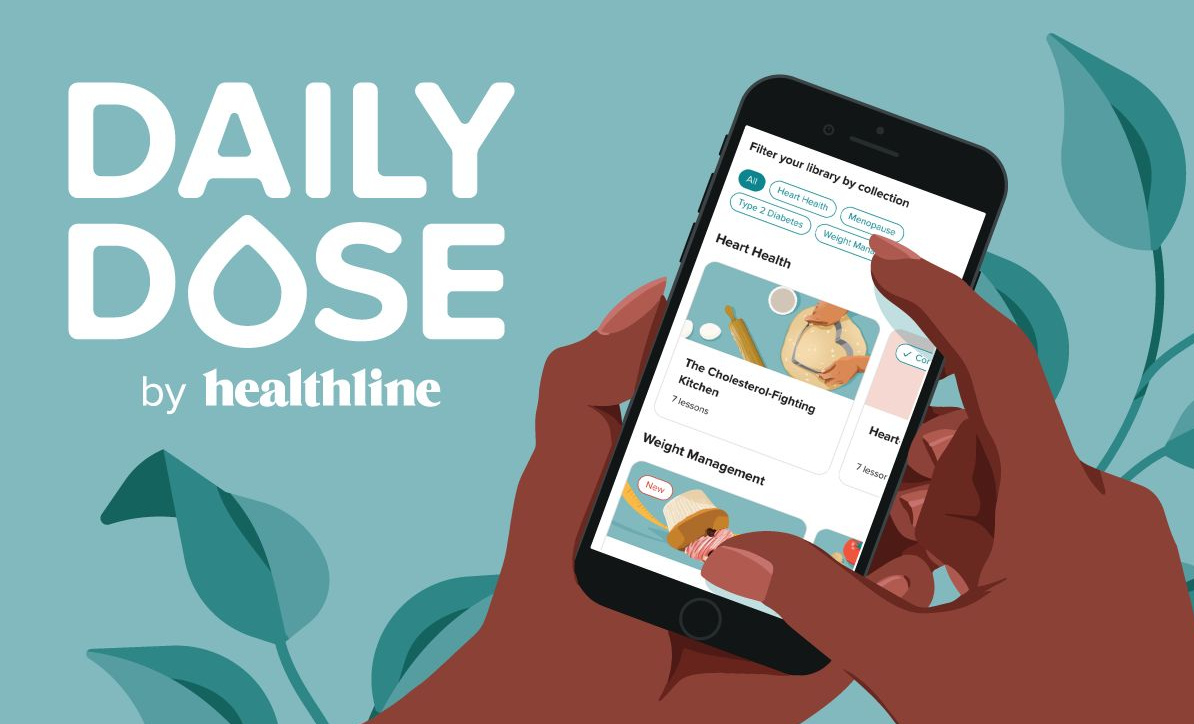
Healthline is widely used because it offers consistency in quality and tone across a broad range of topics. Readers know what to expect when searching for information, content that is reviewed, structured, and written to be understood. This reliability is especially important in health contexts, where unclear or incorrect information can have serious consequences.
The platform’s approach respects the reader’s role in their own health journey. It provides information without prescribing personal medical decisions. By outlining options, explaining risks, and clarifying terminology, it helps readers engage more confidently with healthcare professionals.
Over time, this consistency builds trust. People return because previous information has helped them understand symptoms, prepare for appointments, or make lifestyle changes. The breadth of coverage also allows readers to explore connected topics without switching sources, supporting continuity in learning. At its core, Healthline exists to make health information clearer and more usable. By combining medical review, structured writing, and practical focus, it helps readers move from uncertainty to understanding. The platform does not promise solutions, but it provides the knowledge needed to ask better questions and make more informed health decisions.