
Modern grocery shopping has made food convenient, but it has also made its origins distant. Labels offer limited clues, supply chains feel abstract, and the people behind the produce are often invisible. CrowdFarming positions itself as a response to that disconnect, offering a model where consumers buy directly from farmers and receive harvests from specific fields and orchards. The platform reframes food purchasing as a relationship rather than a transaction, giving people clearer insight into where their food comes from and how it is grown.
This review explores how CrowdFarming structures that connection, how the platform experience supports transparency, and whether this approach genuinely changes how people think about food.
TL;DR
-
Adopt A Tree Or Crop: Allows customers to adopt a specific tree or field and receive its harvest, creating a direct link between the eater and the grower.
-
Direct From Farmers Marketplace: Products ship straight from farms to homes, reducing intermediaries and improving freshness and traceability.
-
Seasonal Harvest Deliveries: Food is shipped only when harvested, aligning purchases with natural growing cycles instead of constant availability.
-
Farmer Profiles And Updates: Detailed farm pages and updates help customers understand growing practices, location, and the people behind the produce.
-
Sustainable Packaging And Logistics: Designed to minimise waste and unnecessary transport, supporting more responsible food consumption.
View all services on CrowdFarming
A New Way To Think About Buying Food
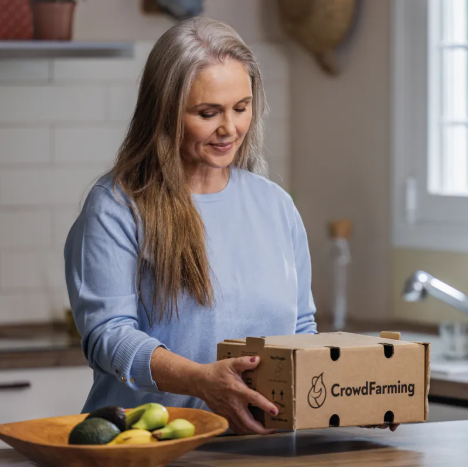
CrowdFarming begins with a simple shift in perspective. Instead of asking what is available today, it asks what is growing right now. This mindset reframes food as something seasonal and finite, rather than endlessly stocked. By adopting a tree or crop, customers commit to a harvest before it exists, sharing both anticipation and outcome with the farmer.
This model challenges the expectation of instant gratification that dominates food retail. It also creates a sense of participation. Customers are not just ordering produce, they are supporting a specific farm and receiving food with a clear backstory.
For many, that story is what transforms a box of fruit or vegetables into something more meaningful.
Design That Supports Transparency
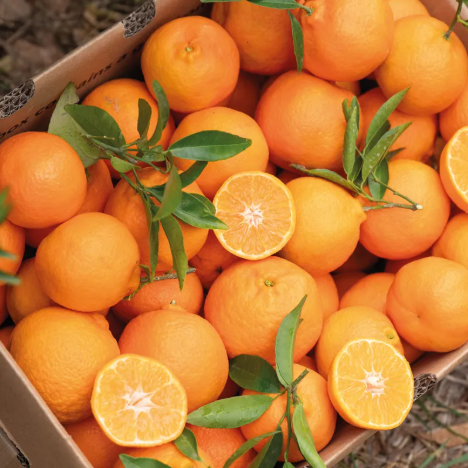
The CrowdFarming platform places strong emphasis on visual and informational clarity. Each farm listing includes location details, growing methods, harvest timelines, and personal insights from the farmers themselves. This transparency builds trust and allows customers to make informed decisions aligned with their values.
Navigation across crowdfarming.com is intuitive, with filters that help users explore by product type, country, or farming method. Rather than overwhelming visitors with endless choice, the platform curates offerings around what is currently available.
Key platform strengths include
-
Clear explanations of how adoption works
-
Honest timelines for harvest and delivery
-
Visual storytelling that highlights farms rather than products
The experience encourages curiosity and patience, two qualities often lost in conventional food shopping.
Freshness That Comes From Fewer Steps
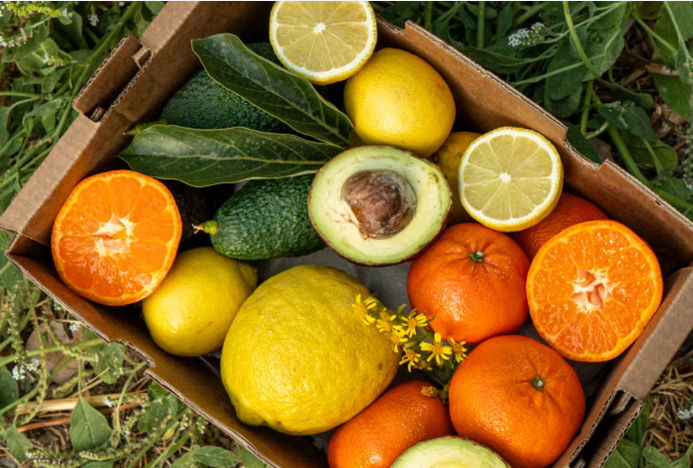
One of the most tangible benefits of the model is freshness. By shipping directly from farms, CrowdFarming reduces storage time and handling. Produce is harvested based on demand, then packed and sent without sitting in warehouses.
This approach not only improves taste and quality but also reduces food waste. Farmers harvest what has already been sold, rather than guessing market demand. For consumers, this means food that feels closer to its natural state.
While delivery schedules depend on harvest cycles, many users find that this rhythm enhances appreciation for the food they receive.
Supporting Farmers Beyond Fair Prices
CrowdFarming is often framed as a consumer benefit, but its impact on farmers is equally important. By selling directly, farmers gain greater control over pricing and planning. The adoption model provides upfront commitment, reducing financial uncertainty.
Farmers also gain a platform to tell their stories. Through profiles and updates, they explain their methods, challenges, and values. This human element helps customers understand agriculture as a living process rather than an industrial output.
The relationship feels less transactional and more collaborative, even though it is mediated digitally.
Sustainability As A Practical Choice
Sustainability on CrowdFarming is embedded in logistics rather than marketing claims. Seasonal shipping reduces unnecessary transport. Direct delivery cuts down on packaging layers and middlemen. Many farms use organic or regenerative practices, clearly explained rather than vaguely promised.
For customers, this clarity matters. Instead of relying on generic labels, they can see how and where food is grown, then decide what aligns with their priorities.
The result is a platform that treats sustainability as a system, not a slogan.
Relearning The Pace Of Food
CrowdFarming does not aim to replace supermarkets. It offers an alternative rhythm, one that asks people to plan, wait, and engage. That shift may not suit everyone, but for those seeking deeper connection with their food, it offers something distinct.
By linking consumers directly to farms through crowdfarming.com, the platform makes food origins visible again. It encourages appreciation for seasonality, respect for farmers, and awareness of how choices shape supply chains.
In reconnecting field to front door, CrowdFarming demonstrates that accessibility and responsibility can coexist, not through convenience alone, but through intention.