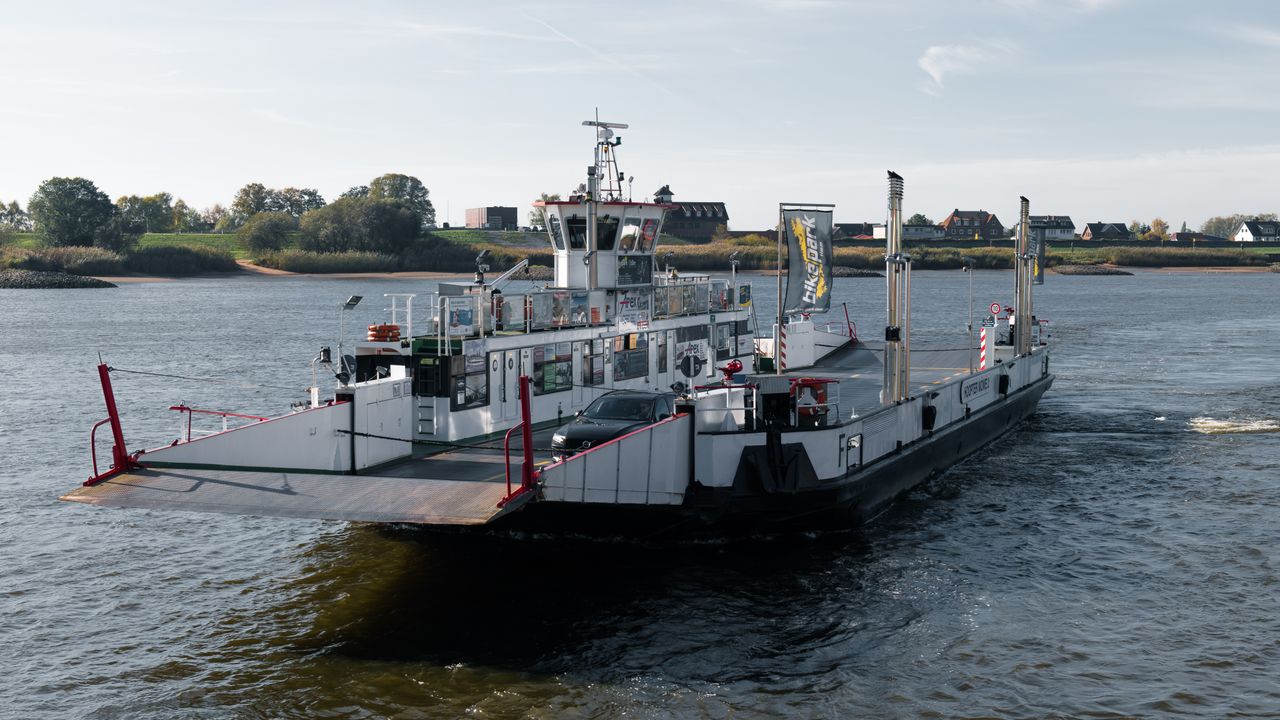
There is something appealing about a holiday where no single destination has to do all the work. A few days on one island, a ferry across the water, then a completely different coastline, town, or beach waiting at the other end.
The idea is easy to fall in love with. The planning can be another story.
Once several islands are involved, you are no longer booking one journey. You are trying to make multiple ferry routes, hotels, arrival times, and departure dates fit together without accidentally turning your holiday into a complicated transport schedule.
This is one reason Ferryhopper is useful for travelers who want to build a multi-island trip without spending hours jumping between ferry company websites.
The Hard Part Is Making the Islands Fit Together
Choosing destinations is usually the fun part. You see photos of a quiet beach in Naxos, start reading about Santorini, discover Paros ten minutes later, and suddenly your seven-day holiday has nine potential stops.
But proximity on a map does not always tell you how convenient a route will be.
Ferry schedules can change by season, some connections operate only on certain days, and journey times vary considerably. A route that looks obvious might involve an inconvenient departure or take longer than expected.
Instead of committing to hotels first, it makes sense to explore the ferry connections between your preferred destinations. With Ferryhopper, you can search ferry routes from numerous operators and see how different stops could fit into the same journey.
That small change in planning order can prevent a lot of headaches later.

Build the Holiday Around Experiences, Not Numbers
Multi-island travel can easily become a numbers game. Five islands sounds more exciting than three, so people naturally try to squeeze another destination into the itinerary.
More islands do not necessarily make a better trip.
Imagine arriving somewhere beautiful at 4 p.m., checking into your hotel, spending one full day there, and packing again the following morning. Technically, you visited the island. In reality, you barely had time to experience it.
A better approach is to decide what you actually want from each stop. One island might be about beaches and swimming, another about food and nightlife, while a quieter destination could be where you deliberately slow down.
Once you know why each island deserves a place in the itinerary, unnecessary stops become much easier to remove.
One Search Can Answer Several Important Questions
Ferry planning is not only about discovering whether a route exists. You also need to know whether the sailing fits your day.
A useful comparison should help you consider:
- ferry times and journey duration
- available ferry companies
- ticket prices for different sailings
- direct connections between destinations
- whether taking a vehicle makes sense for your trip
This is where Ferryhopper becomes particularly handy. Its multi-destination booking option is designed for trips involving several ferry journeys, so you can put together multiple legs rather than treating every crossing as an unrelated booking.
It also makes comparing options easier when several ferry operators serve a similar route.
Don’t Automatically Choose the Cheapest Sailing
Saving money on ferry tickets is useful, especially when you have several crossings to pay for. Still, price should not be the only factor.
Suppose one ferry costs a little less but leaves very early in the morning. You may need a taxi to the port, miss your hotel breakfast, and lose sleep just to save a relatively small amount. Another sailing might arrive late enough that you effectively lose your first evening at the next destination.
Looking at the complete journey rather than just the fare often leads to better decisions.
Checking options through Ferryhopper lets you compare schedules and prices before deciding which crossing fits the holiday rather than forcing the holiday to fit the cheapest crossing.
Keep Your Travel Days Simple
The nicest multi-island holidays usually have some breathing room built into them.
Avoid stacking important connections too closely together, particularly if you need to catch a flight after your final ferry. Weather and operational changes can affect ferry travel, so leaving yourself some flexibility is sensible.
It also helps to keep your booking information organized. The Ferryhopper app can keep ferry bookings and tickets together, and its ferry tracking feature is available for many routes. That can be especially convenient once you are already traveling and do not want to dig through different confirmation emails.
A multi-island holiday will always require more planning than staying in one resort for a week. That is part of the trade-off. In return, you get several destinations and very different experiences within a single trip.
The trick is not to plan every hour. Get the ferry connections right, give each island enough time, and leave some empty space in the itinerary. Once the logistics stop dominating the trip, island hopping starts feeling as effortless as it looked when you first imagined it.