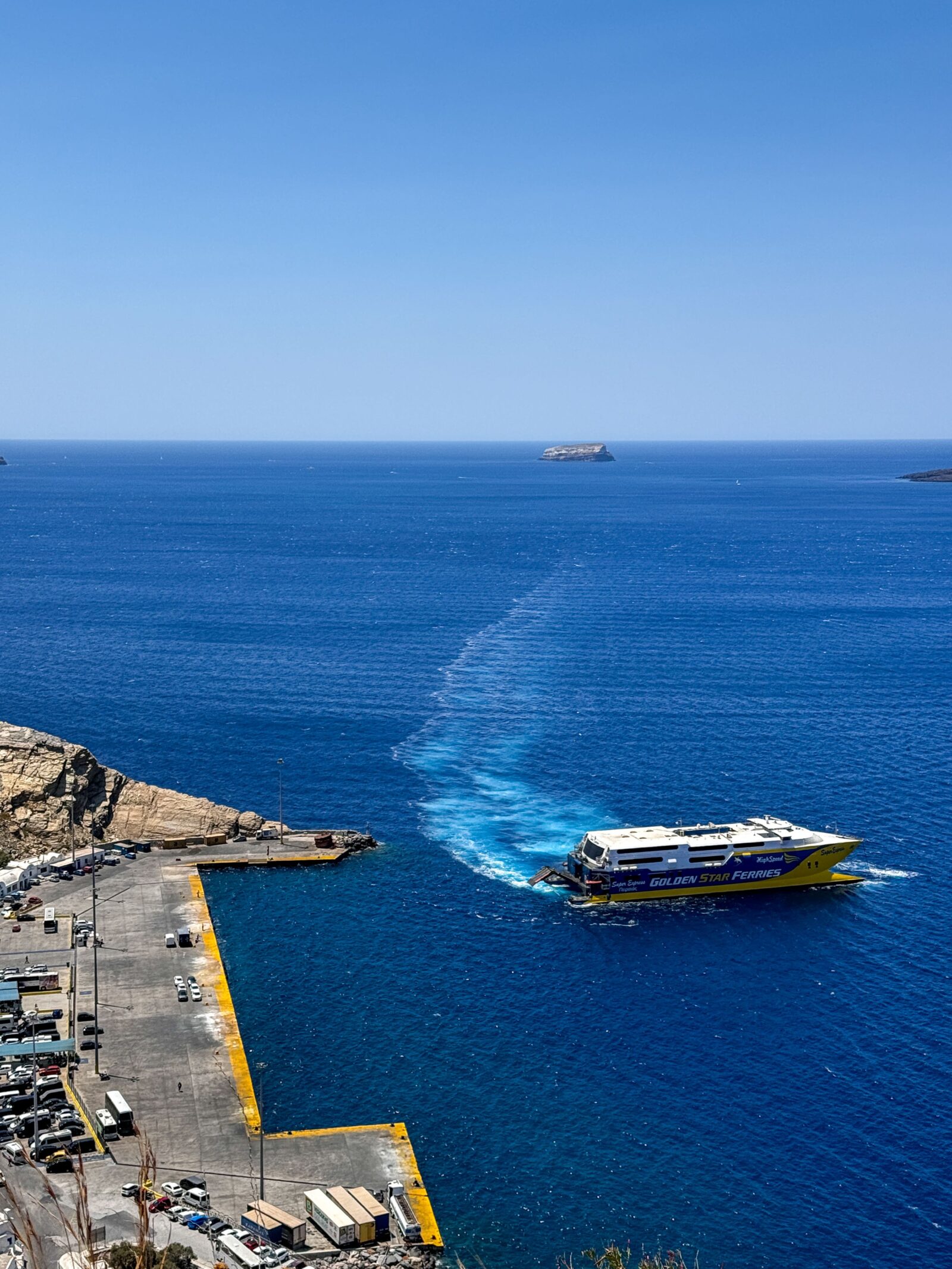
Ferry travel changes the rhythm of a trip. Instead of treating movement as an invisible gap between destinations, it gives the traveler time to watch coastlines shift, notice working ports and understand how communities are connected by water.
Planning through Ferryhopper can make that experience easier to organize while preserving its unhurried character. A clear route, a suitable sailing and accessible booking details allow attention to move away from logistics and toward the journey itself.
The Pace of the Crossing Changes What a Traveler Notices
Air travel often compresses distance into terminals, security lines and enclosed cabins. A ferry makes geography visible. The departure port gradually becomes smaller, open water creates a pause and the next island appears as a real place rather than a name on a screen. That sequence gives the traveler a stronger sense of arrival.
The crossing can also provide a natural break between different parts of a trip. A busy city stay may be followed by a quieter island, and the time on deck helps the mind adjust. Photographs can wait. The simple act of watching the shoreline can provide more context than another rushed attraction.
A traveler who compares duration and vessel options through Ferryhopper can choose a sailing that fits the desired pace. A faster vessel may protect limited time while a conventional ferry may offer more space to move around. The most appropriate choice depends on comfort, schedule and the character of the journey.
Slower travel does not require inefficiency. It requires attention. A well-planned departure reduces the need to monitor every minute, while a suitable seat or cabin supports rest on a longer crossing. When the practical needs are settled, the route becomes part of the destination.
Ports Reveal the Everyday Life Around a Destination
A port is more than a gate for visitors. It may also receive food, building materials, mail and vehicles that support island life. Fishing boats, local buses and delivery workers show how the destination functions beyond its hotels and beaches. A respectful traveler can observe that activity without treating it as a performance.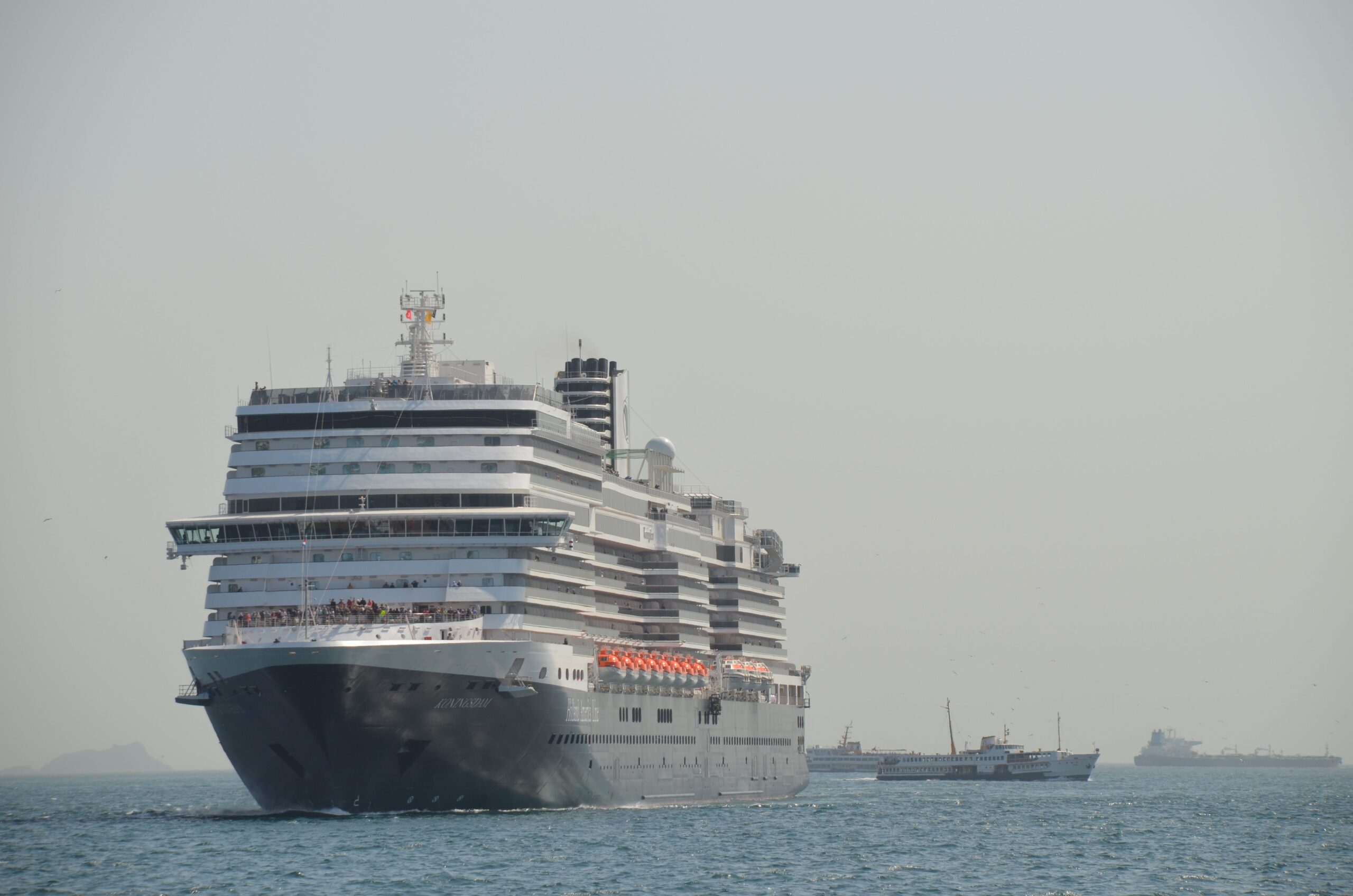
Port location matters because an island may have more than one arrival point. The main town, accommodation and onward transport may sit far from the dock. Checking those relationships before booking prevents an assumption that every ferry arrives in the center. It also helps the traveler decide whether a bus, taxi or arranged transfer is needed.
The route information shown by Ferryhopper can support that preparation, especially when several ports have similar names. The traveler should match the exact departure and arrival points with accommodation details, then save the information somewhere that remains available without a connection.
Arriving with awareness creates a gentler first impression. The traveler is less likely to block a working area with luggage, approach the wrong queue or become frustrated by a transfer that was visible during planning. Respect often begins with understanding how a place moves.
Simple Habits Protect the Unhurried Feeling
A calm crossing depends on a few practical habits. They are small enough to become routine and useful across different operators and destinations.
- The traveler should confirm the exact port before leaving the accommodation.
- Boarding documents should be downloaded before mobile service becomes uncertain.
- Water, medication and a warm layer should remain in an accessible day bag.
- Luggage labels should include contact details without displaying unnecessary personal information.
- The traveler should follow crew instructions and keep access routes clear.
An e-ticket or organized booking record from Ferryhopper can reduce paper handling, though the requirements of the selected operator still apply. Some journeys may require additional check-in steps or printed material. Reading those conditions before departure protects the slower experience from a preventable rush.
Motion comfort deserves equal attention. A traveler who is sensitive to movement may prefer fresh air, a view of the horizon or a location suggested by the crew. Medication should be discussed with a qualified professional when needed. A calm journey is easier when discomfort is anticipated rather than ignored.
Digital Planning Can Protect a More Human Journey
Technology does not have to make travel feel faster or more distracted. Used carefully, it can remove repetitive tasks so that the traveler spends less time switching between operator pages and more time understanding the route. The useful digital tool is the one that becomes quiet after the plan is complete.
A traveler can use Ferryhopper to compare sailings, organize more than one leg and keep essential information close. Live tracking may help where supported, but it should complement official announcements at the port rather than replace them. Local instructions and crew guidance remain authoritative.
The slower quality of ferry travel comes from the relationship between movement and place. The traveler sees the distance, shares the route with local passengers and arrives through the working edge of the destination. That perspective can make even a short crossing meaningful.
A thoughtful itinerary leaves enough room to experience that transition. The journey then becomes more than transport. It becomes a useful pause, a lesson in geography and a reminder that arrival can be gradual.